How Noise Monitoring Can Improve Workplace Safety
We often chalk up workplace noise to be a necessary nuisance, but what if it’s not? The consistent hum of machines, the clang of metals, and the buzzing forklifts can all make a worksite louder than it needs to be. It can cause headaches and exhaustion for employees, reducing their productivity. This is why noise monitoring matters more than most organisations realise.
This blog explores how noise monitoring works, why it matters, and how employers and employees both benefit when it’s done consistently and correctly.
Understanding Workplace Noise
Workplace noise isn’t just the sound of machinery rumbling in the distance. It includes every recurring or sudden sound within a work environment that reaches a level capable of affecting safety or well-being. Different industries produce noise in different ways. Manufacturing plants often use grinding and cutting equipment, while construction sites experience unpredictable bursts of impact noise. Even busy logistics warehouses build a constant backdrop of engines and alarms that never quite fade.
And noise does more than irritate. With prolonged exposure, it can impact both physical and mental health. Headaches become a daily occurrence, leading to a lack of concentration. People brush it off until they can’t.
Importance of Noise Control in the Workplace
The push to control workplace noise isn’t just about comfort. Regulations exist for a reason. OSHA and Australian noise standards set clear limits on exposure, and employers are legally responsible for staying within them. It’s surprisingly easy to underestimate the risk, though. A workplace may feel normal simply because people have adapted to it.
But ignoring noise is a little like ignoring smoke; eventually, there’s a fire. Excessive exposure can lead to injuries, claims, and long-term health concerns that companies never intended to cause.
Health Risks Associated with Excessive Noise
The most obvious issue is hearing loss. Tinnitus often shows up first, that persistent ringing many hope will disappear overnight. Sometimes it does. Often it doesn’t. Excessive noise also contributes to stress and fatigue, making even simple tasks feel heavier.
There’s also the cognitive impact. Employees who struggle to focus make more mistakes, and in high-risk environments, those mistakes turn into accidents. Over the years, chronic exposure can lead to broader health problems, such as cardiovascular strain, sleep disruption, and general burnout.
Types of Noise Monitoring
Noise monitoring can take different forms depending on the environment. Employees can wear personal noise dosimeters to measure exposure during a full shift. Area noise monitoring systems monitor fixed locations, which is useful for identifying consistently loud areas.
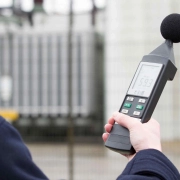
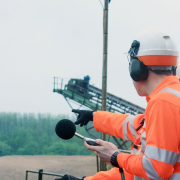
Some workplaces rely on real-time technologies, where smart sensors trigger alerts when thresholds are crossed. Mobile and wearable devices add flexibility, handy when teams move frequently or work outdoors. In fact, an outdoor noise monitor can be crucial for construction or renewable energy sites where conditions constantly change.
How Noise Monitoring Works
Decibel level is the core component of the noise level measurement process. The frequency data is also crucial, as it helps interpret the type of noise. Sampling methods, intervals, and placement affect accuracy. Once data is collected, it’s analysed to reveal patterns, such as peaks, daily cycles, and unexpected spikes.
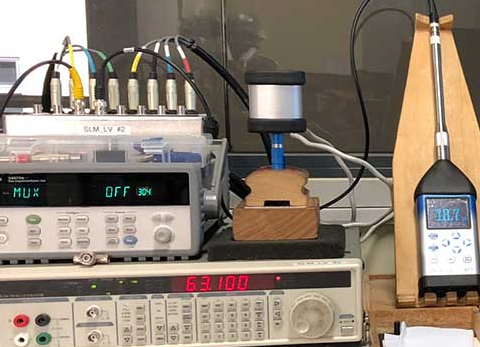
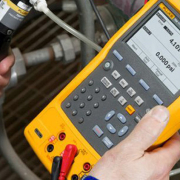
Equipment accuracy is a small detail often overlooked. It is essential to perform regular noise dosimeter calibration through professional calibration services to ensure one gets accurate readings.
Benefits of Noise Monitoring for Employers
For employers, the advantages show up quickly. Monitoring highlights high-risk areas that might otherwise go unnoticed. It also helps ensure compliance with regulatory standards, something no safety manager wants to be caught guessing about.
Accurate data reduces accidents and injuries because teams can act before exposure becomes harmful. Over time, it also strengthens the company’s reputation. Clients and partners notice when a workplace takes safety seriously, even if the effort is behind the scenes.
Benefits of Noise Monitoring for Employees
Employees experience the most immediate benefits. Better hearing protection, fewer headaches, reduced fatigue—that alone boosts morale. When workers feel cared for, their overall well-being improves. Job satisfaction tends to follow, almost naturally, when they know the environment isn’t wearing them down.
Implementing a Noise Monitoring Program
A good program begins with a thorough noise survey. It assesses the current noise levels, which help determine the right noise monitoring equipment suited for the environment.
A schedule helps maintain consistency, and assigning clear responsibilities ensures everything gets tracked as intended.
Noise Reduction Strategies
Once the data highlights problem areas, employers can explore solutions. Engineering controls, such as barriers, silencers, or enclosures, reduce noise at the source.
Administrative controls shift exposure patterns by rotating staff or shortening the time spent near loud equipment. And when necessary, personal protective equipment, such as earmuffs or earplugs, fills the gaps.
Integrating Technology in Noise Monitoring
Modern systems offer more possibilities. Smart sensors, IoT devices, automated alerts, and data analytics help predict hazards. Some businesses combine noise monitoring with ground vibration monitoring equipment to get an even clearer picture of environmental risks. Technology doesn’t eliminate noise entirely, but it can respond to it faster than humans ever could.
Conclusion
Noise monitoring isn’t just a compliance requirement. It’s a proactive approach to creating workplaces where people can focus, stay safe, and feel supported. When businesses consistently monitor noise, they gain insights that make every decision, from equipment placement to shift structure, a little safer and more thoughtful.
To keep your workplace safe and compliant, trust the specialists at Acu-Vib Electronics. From advanced noise monitoring equipment to reliable calibration services, we help organisations capture accurate data and manage noise effectively.
Whether you need a noise survey, an outdoor noise monitor, or expert guidance on implementation, Acu-Vib delivers solutions built for long-term safety.
Call us at +61 (02) 9680 8133 to discuss the right monitoring tools for your site.